
Earth Day 2026
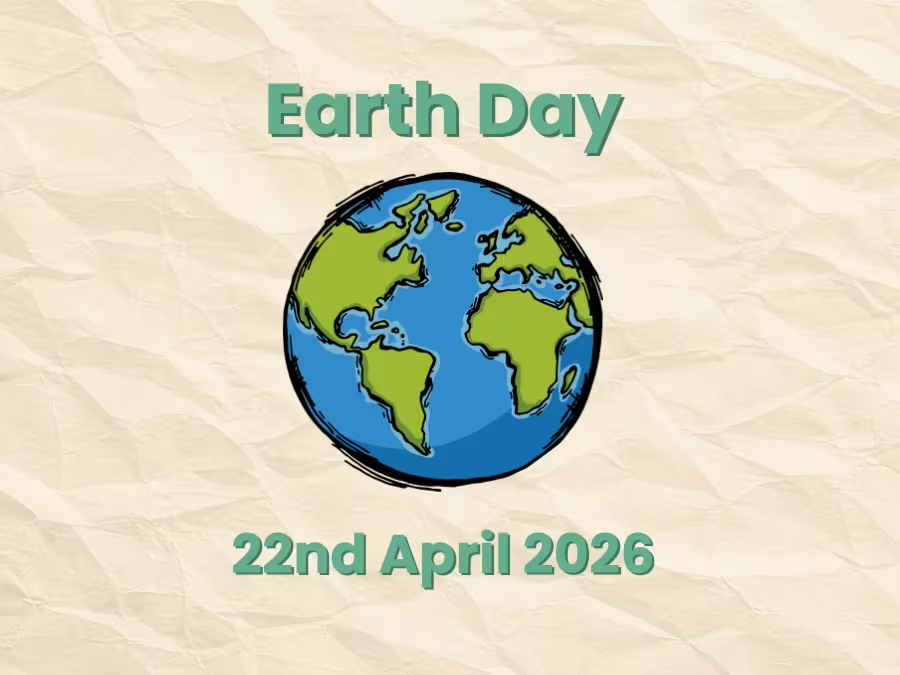
On April 22, 2026, people all around the globe will come together to celebrate Earth Day once again. For some, it’s just a date on the calendar, but for many, it serves as a powerful reminder that caring for our planet goes far beyond a single day of awareness.
In 2026, the conversation has moved beyond awareness. Organisations are now expected to demonstrate measurable environmental impact, transparent reporting and genuine long-term commitment.
Earth Day continues to hold significance, not because it’s a new concept, but because the urgency of the issues we face has only grown stronger.
The History of Earth Day
Earth Day began in 1970 in the United States. It was founded by U.S. Senator Gaylord Nelson in response to growing public concern about pollution, oil spills and environmental degradation.
On 22 April 1970, an estimated 20 million Americans participated in rallies, educational events and demonstrations. The movement led to significant policy developments in the years that followed, including the establishment of the United States Environmental Protection Agency and the introduction of major environmental legislation.
By 1990, Earth Day had become a global event. Today it is coordinated internationally by EARTHDAY.ORG and is recognised in more than 190 countries.
What started as a protest has blossomed into a powerful platform for holding ourselves accountable to the planet.
Earth Day in 2026: From Awareness to Accountability
In its early years, Earth Day focused on visible pollution and public activism. In 2026, the challenges are more complex. Climate change, resource depletion, electronic waste, biodiversity loss and supply chain emissions are now board level issues.
For businesses, Earth Day is no longer about publishing a social media graphic. It is about demonstrating:
- Transparent carbon reporting
- Responsible resource management
- Ethical supply chains
- Circular economy participation
- Community engagement
Investors, regulators and customers increasingly expect environmental claims to be supported by data.
The organisations that treat sustainability as a measurable strategy rather than a marketing exercise are the ones building long term trust.
Practical Ways to Be More Eco Friendly in 2026
Earth Day does not require grand gestures. Consistent, practical actions often create greater long term impact.
1. Reduce Energy Consumption at Home and at Work
Energy efficiency remains one of the simplest ways to reduce environmental impact. Small changes such as switching to LED lighting, improving insulation and optimising heating and cooling systems reduce both emissions and cost.
For businesses, reviewing energy contracts and exploring renewable energy suppliers can significantly lower carbon intensity over time.
2. Rethink Consumption, Not Just Recycling
Recycling is important, but reducing consumption has a greater impact.
Before purchasing new items, consider:
- Can it be repaired?
- Can it be reused internally?
- Can it be sourced second hand or refurbished?
Extending the life of products reduces manufacturing emissions and resource extraction. This applies to clothing, furniture, electronics and everyday household goods.
3. Choose Sustainable Transport Options
Transport remains a major contributor to global emissions.
Walking, cycling, car sharing and public transport all reduce environmental impact compared to single occupancy vehicle use. For businesses, supporting hybrid working models and optimising logistics routes can also lower emissions.
Even modest behavioural shifts, when adopted consistently, create measurable change.
4. Support Local and Ethical Suppliers
Buying locally produced goods reduces transportation emissions and strengthens local economies. Choosing suppliers with transparent environmental policies encourages higher standards across supply chains.
For organisations, supplier due diligence should include environmental criteria alongside price and performance.
5. Reduce Waste in Everyday Habits
Waste reduction is often overlooked because it feels incremental. Yet cumulative impact is significant.
Simple actions include:
- Using reusable water bottles and coffee cups
- Avoiding single use plastics where alternatives exist
- Planning meals to minimise food waste
- Composting organic waste where possible
Businesses can apply the same thinking to packaging, print policies and office consumables.
6. Get Involved in Community Initiatives
Earth Day has always been rooted in community action. Volunteering for local clean up projects, tree planting schemes or environmental education initiatives strengthens collective impact.
Organisations that support staff volunteering programmes often see both environmental and cultural benefits.
The Role of Technology and the Circular Economy
While many Earth Day actions focus on lifestyle changes, the circular economy plays a growing role in environmental responsibility.
Extending product lifecycles, repairing rather than replacing and ensuring responsible end of life processing all help to reduce environmental strain. In the technology sector, this is particularly important due to the rapid pace of device replacement and the growing challenge of electronic waste.
Choosing refurbishment over new production where possible and ensuring responsible recycling when products reach end of life, are practical ways individuals and organisations can contribute to waste reduction.
Earth Day 2026 is a reminder that sustainability is not a trend. It is a structural shift in how resources are consumed and managed.
Why Earth Day Still Matters
More than five decades after its founding, Earth Day continues to serve a vital purpose. It creates a shared moment for reflection and action across borders and industries.
Environmental responsibility cannot be confined to one date in April. However, Earth Day provides a clear checkpoint. It prompts individuals and organisations to assess progress, recalibrate goals and commit to measurable improvement.
In 2026, the most meaningful way to honour Earth Day is through sustained action. Small, consistent decisions made daily will always outweigh a single symbolic gesture.
The question for this year is simple: what practical change can you commit to, and maintain, beyond 22 April?

Similar Insights
Practical knowledge, industry trends, and security insights, helping you make smarter IT decisions.
.avif)







.svg)